Tooth pain does not identify its source by itself: a nearby tooth, gum, sinus, jaw joint, or damaged pulp can produce similar sensations. By the end, you will understand the questions, clinical tests, imaging, and decision points a dentist uses to identify the painful structure and choose between monitoring, treatment, referral, or urgent care.
Key takeaways
- Describe triggers, duration, location, and associated swelling or fever.
- Expect cold, bite, tapping, and gum tests to isolate the painful tooth.
- X-rays reveal decay, infection, bone loss, cracks, and hidden tooth problems.
- Seek urgent care for facial swelling, fever, trauma, or trouble swallowing.
What does the dentist need to know about the pain?
A tooth pain history helps the dentist identify the likely tissue involved and decide how quickly you need care. Pain location alone is unreliable: inflamed pulp can cause poorly localized or referred pain, so the dentist asks about the pattern, triggers, duration, and associated symptoms.
- When did the pain begin, and is it becoming more frequent or severe?
- Is it spontaneous pain, or does cold, heat, sweets, chewing, or touch trigger it?
- How long does it last after the trigger is removed?
- Do you have night pain that wakes you or prevents sleep?
- Do you have pain on biting, especially when releasing the bite?
- Is there swelling, a bad taste, pus, fever, or difficulty opening your mouth?
- Did the pain follow an injury, filling, crown, root canal, or other dental work?
Brief sensitivity that stops quickly after cold or sweets points toward exposed dentine or an irritated but potentially recoverable pulp. Lingering heat or cold pain, spontaneous pain, and night pain raise concern for advanced pulp inflammation, particularly when examination and pulp tests support it.
Pain on biting can suggest a cracked tooth, inflammation around the root, a high restoration, clenching, or gum disease.
The history also prevents treatment of the wrong problem. Sinus inflammation, jaw-joint or muscle pain, nerve pain, an impacted wisdom tooth, and pain referred from another tooth can mimic toothache.
If the symptoms do not fit the examination, avoid assuming that a root canal or extraction is needed; further dental, medical, or orofacial-pain assessment may be safer.
Which chairside tests identify the painful tooth?
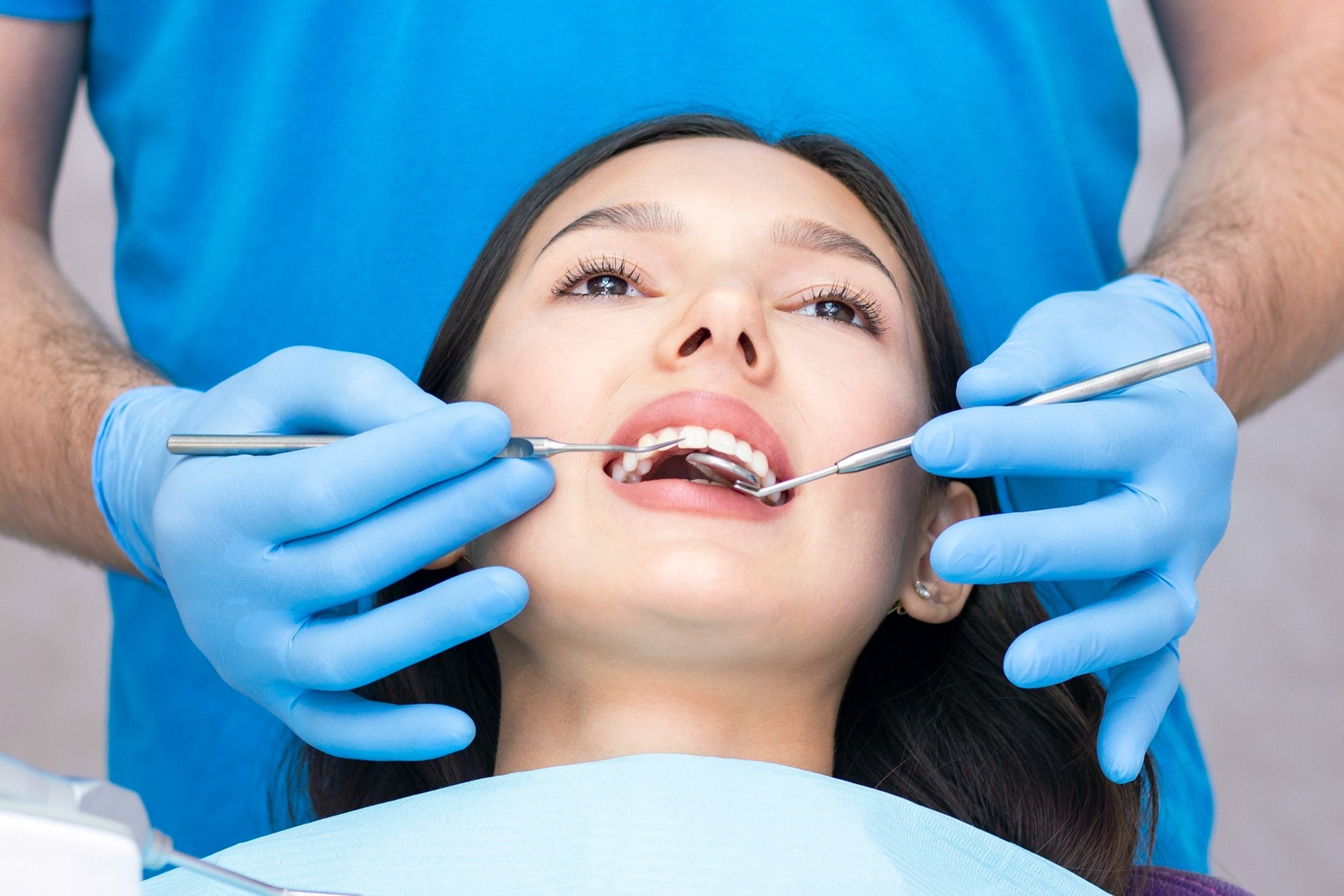
A dentist compares the suspected tooth with nearby teeth rather than testing it in isolation. Visual examination uses a mirror, bright light, and sometimes magnification to find decay, fractured cusps, crack lines, leaking fillings, swelling, sinus tracts, or impacted teeth.
Dental probing measures gum-pocket depth around each surface; one narrow, deep defect can point to a crack or root problem.
| Test | What happens | What the result can suggest |
|---|---|---|
| Visual and gum examination | The dentist inspects restorations, caries, swelling, drainage, mobility, and gum pockets. | Decay, a cracked tooth, periodontal disease, or an abscess |
| Bite testing | You bite on individual cusps or a plastic stick, then release. | Pain on release supports suspicion of a crack; pain on biting can also reflect a high filling, clenching, or root inflammation. |
| Percussion test | The dentist gently taps the tooth vertically and sideways. | Tenderness indicates irritation around the root, but not necessarily pulp disease. |
| Palpation | The dentist presses the gum over the root and nearby tissues. | Localised tenderness or swelling can indicate inflammation beyond the tooth. |
| Pulp-sensation test | Cold or an electric stimulus is applied and compared with control teeth. | A lingering or absent response becomes meaningful only with the examination findings. |
No single response proves the diagnosis. Sinus disease, jaw-joint or muscle pain, neuropathic pain, and referred pain can mimic toothache, so an inconsistent dental pattern calls for caution before root-canal treatment or extraction.
How do X-rays and other tests change the diagnosis?
Cold testing shows whether a tooth responds to a temperature stimulus; it does not measure blood flow or prove that the pulp is healthy. Compare the response with nearby control teeth, because restorations, thick enamel, anxiety, and poor isolation can distort it.
A brief response is not automatically normal, while lingering or spontaneous thermal pain supports symptomatic irreversible pulpitis when other findings agree.
- Cold testing: reveals an exaggerated, lingering, or absent sensory response; it can miss necrosis when isolation is poor or the tooth is recently traumatized, immature, or heavily restored.
- Electric pulp testing: confirms whether nerve fibres respond, but it cannot distinguish reversible from irreversible pulpitis or prove that the pulp has a blood supply. Do not treat a nonresponsive result as a reason for extraction; repeat it and compare adjacent teeth.
- Periapical X-ray: shows caries, restorations, root shape, widened periodontal ligament, bone loss, and established abscess-related changes. It can look normal during severe pulpal disease or early apical inflammation.
- Bitewing X-ray: detects decay between teeth, defective fillings, and crestal bone loss better than a periapical image, but it does not show the full root or reliably diagnose early pulp inflammation.
- Panoramic imaging: surveys all teeth, jaws, impacted wisdom teeth, and broad bone or sinus findings; its lower detail can hide a small cavity or fine root fracture.
- CBCT: provides three-dimensional views that can expose extra canals, root fractures, resorption, or subtle periapical bone changes. Its higher radiation dose makes it a targeted follow-up, not a routine first test.
These results are interpreted as separate pulpal and apical or periodontal diagnoses. If dental tests do not form a coherent pattern, sinus, jaw-joint, muscle, neuropathic, or referred pain deserves consideration before root-canal treatment or extraction.
How do findings determine the recommended treatment?
A brief cold response does not automatically mean a healthy tooth, and no response does not automatically mean extraction. The dentist matches the pain history with control-tooth tests, bite and percussion findings, gum measurements, and images before choosing treatment.
The evaluation separates the nerve inside the tooth from the tissues around its root. Reversible pulpitis points toward removing decay or replacing a leaking restoration, then protecting the tooth. Lingering or spontaneous thermal pain supports irreversible pulpitis; root-canal treatment or extraction becomes the choice when the tooth cannot be saved.
Pulp necrosis requires confirmation because thick restorations, recent trauma, immature roots, or poor isolation can produce a false-negative test.
Specific findings change the plan:
- Pain on release when biting raises suspicion of a crack; the dentist checks whether it extends below the gum and whether enough sound tooth remains to support a restoration.
- Tenderness to tapping can reflect apical inflammation, a high filling, clenching, trauma, or gum disease; it does not identify the pulp by itself.
- Swelling, pus, bad taste, and bone changes support a dental abscess, which may require drainage alongside treatment of the tooth.
Restorability depends on sound tooth above the gum, crack location, root shape, bone support, and whether a durable seal is possible. At Prabhuta Dental Care, asking whether the tooth is restorable before recommending root-canal treatment or extraction keeps the plan tied to findings rather than pain intensity alone.
Related services
Root Canal Treatment (RCT) Root Canal Treatment (RCT) – Save Your Natural Tooth Root Canal Treatment (RCT) is a highly effective dental procedure used to treat infected or... View service → |
Dental Check-up & Consultation Dental Check-up & Consultation At Prabhuta Dental Care, we provide comprehensive dental check-ups and expert consultations to help maintain your oral health and detect dental... View service → |
When does tooth pain require urgent care, and how can you prevent a diagnostic delay?
Go to urgent dental or medical care the same day for facial swelling, fever or malaise, difficulty swallowing, difficulty breathing, inability to open your mouth normally, or an infection that is rapidly worsening. Difficulty breathing or swallowing with expanding neck swelling is an emergency: call emergency services instead of waiting for a dental appointment.
Bring these items to the appointment:
- A timeline: when the pain began, whether it is spontaneous, its severity, and whether it wakes you at night.
- Trigger details: cold, heat, sweets, biting, and how long pain lingers after the trigger ends.
- A medication and allergy list, including recent antibiotics or painkillers and the doses you took.
- Previous dental records, including fillings, crowns, root canals, extractions, trauma, and the dates of those procedures.
- Recent periapical or bitewing X-rays, panoramic images, or CBCT scans; bring the original files if available.
- A photograph of visible swelling, drainage, or a broken filling if the appearance has changed.
| Information or record | What to specify | Why it matters |
|---|---|---|
| Pain location | Point to the area, but describe spread or referred pain | The painful tooth may not be the diseased tooth |
| Dental treatment | Name the tooth and procedure, if known | Recent work can alter pulp-test results |
| Swelling or drainage | Onset, bad taste, fever, and change in size | Helps locate an abscess or spreading infection |
| Unclear findings | Ask whether sinus, jaw-joint, muscle, or nerve pain fits | Prevents root-canal treatment or extraction without a coherent dental diagnosis |
Frequently asked questions
What does a dentist need to know about tooth pain?
The dentist asks about the pain’s location, triggers, duration, intensity, pattern, and related symptoms such as swelling, fever, sensitivity, or pain when biting.
Which chairside tests identify the painful tooth?
Cold or heat testing, an electric pulp test, tapping, biting, gum probing, and examination of nearby teeth help identify the affected tooth and tissue.
How do X-rays change a tooth pain diagnosis?
Dental X-rays can reveal decay, an abscess, bone loss, impacted teeth, root problems, and other findings that are not visible during a mouth examination.
When does tooth pain require urgent dental care?
Seek urgent care for facial swelling, fever, injury, pus, worsening pain, or difficulty breathing, swallowing, or opening your mouth.