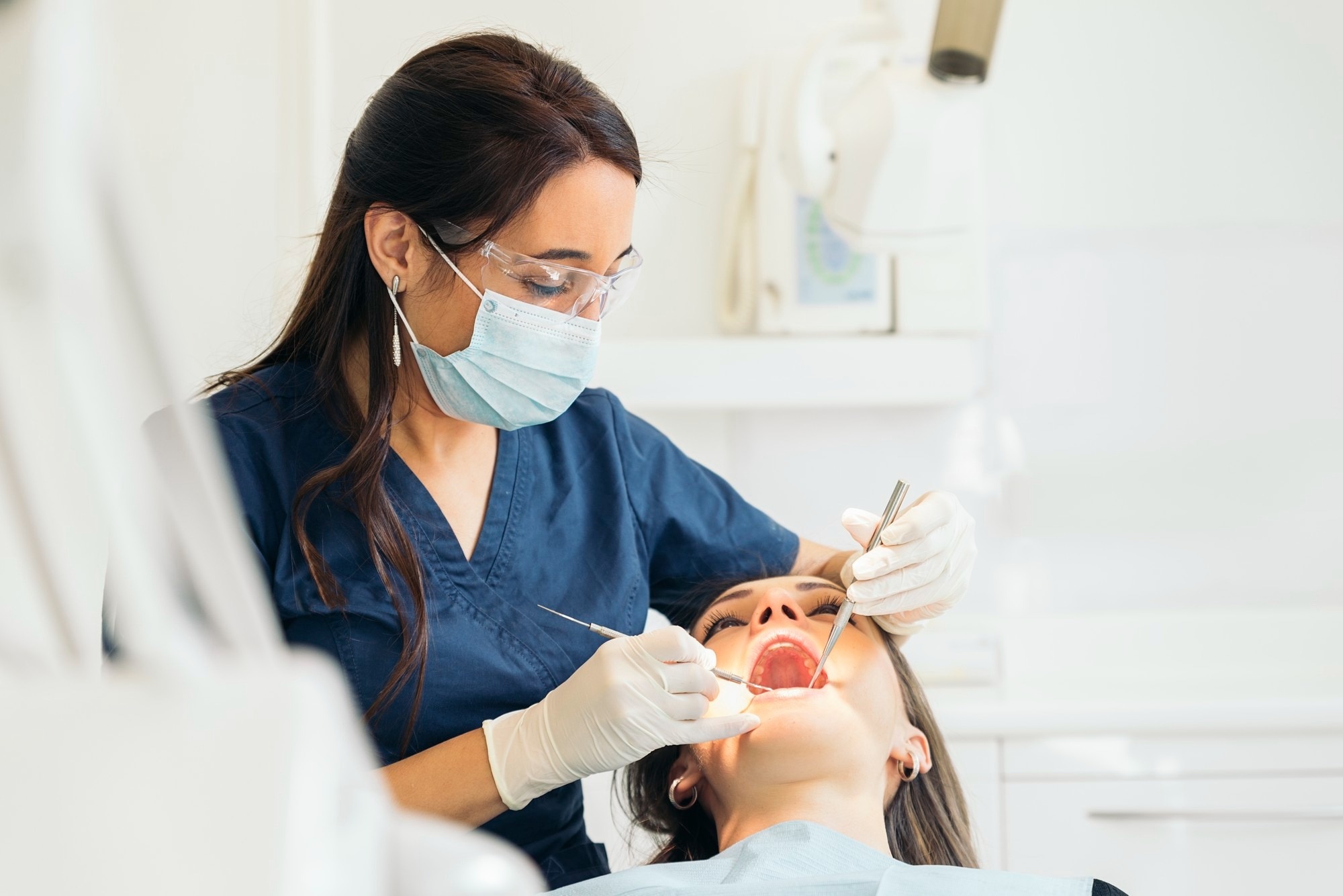
A dental clinic suited to long-term care does more than provide separate treatments when problems appear. It builds a documented, risk-based plan that connects prevention, restoration, specialist care, follow-up, and timely referral. By the end, you will know which clinical processes and questions reveal whether that continuity is real.
Key takeaways
- Choose a clinic that keeps current records and one coordinated treatment plan.
- Ask how your decay, gum, medical, and lifestyle risks set recall intervals.
- Verify dentist qualifications, infection-control procedures, emergency access, and referral pathways.
- Compare clinics by follow-up systems, explanations, maintenance plans, and record continuity.
What a Long-Term Dental Relationship Should Include
Long-term oral care requires a clinic to manage changing needs, not simply provide isolated cleanings or emergency appointments. Look for continuity of dental care through a current history, regular risk reviews, and one coordinated treatment plan that connects prevention, treatment, maintenance, and follow-up.
A suitable clinic should be able to coordinate:
- Preventive care based on cavities, gum disease, age, medications, tobacco use, pregnancy, hygiene, and previous disease—not an automatic six-month schedule.
- Restorative decisions that compare monitoring, remineralization, or repair with replacing a filling, so repeated treatment does not unnecessarily weaken the tooth.
- Comprehensive dental care covering children, orthodontics, cosmetic treatment, implants, crowns, gum problems, and urgent symptoms.
- Detailed monitoring of periodontal health, including pocket depths, attachment loss, recession, mobility, furcation involvement, plaque, bleeding, and relevant radiographs.
- Specialist referrals for complex root anatomy, advanced periodontal disease, severe malocclusion, medically complex care, sedation, suspicious oral lesions, or suspected malignancy.
The clinic should maintain radiographs only when examination and risk justify them, and explain how each image will affect diagnosis or treatment. Ask whether it can provide your medical and allergy history, radiographs, periodontal measurements, restoration and implant details, treatment plans, and preferences promptly when you need another dentist or specialist.
How Risk Assessment Determines Your Recall Schedule
A six-month appointment should not be the automatic answer for every patient. A dental risk assessment should produce a personalized recall interval based on current findings and changes since your last visit.
Ask the clinic to record these risk factors:
- Caries risk, including new decay, fluoride exposure, diet, dry mouth, and previous fillings
- Gum disease assessment, including periodontal history and current gum inflammation
- Age and life stage, including childhood, pregnancy, and older age
- Medical conditions and medicines that affect healing, saliva, bleeding, or infection
- Oral hygiene, tobacco use, alcohol use, and parafunctional habits such as grinding
The examination should include tooth decay, existing restorations, bite, jaw symptoms, and suspicious oral lesions. A gum disease assessment needs periodontal probing, pocket depths, clinical attachment loss, recession, mobility, furcation involvement, plaque, bleeding, and relevant radiographs; bleeding alone does not diagnose periodontitis.
Select dental radiographs when symptoms, caries risk, periodontal findings, age, or a possible change in treatment justify them—not automatically at every visit.
Higher risk calls for shorter preventive intervals and closer monitoring. Stable, low-risk patients may return less often. Children should establish dental care by age one or within six months of the first tooth appearing, with visits focused on prevention and caregiver guidance.
Which Qualifications and Safety Practices Should You Verify
Verify current registration, dentist qualifications, and a clear scope of practice before choosing a clinic. Ask whether specialists have documented dental specialist training and whether clinicians complete continuing dental education relevant to treatments they provide.
The clinic should also maintain current medical histories, medication and allergy lists, radiographs, periodontal findings, restoration and implant details, treatment plans, and patient preferences, then release those records promptly when needed.
- Ask who performs examinations, treatments, specialist referrals, and emergency follow-up. Confirm that another clinician reviews complex cases when required.
- Ask how the clinic assesses gum health. Look for probing pocket depths, attachment loss, recession, mobility, furcation involvement, plaque, bleeding, and relevant radiographs—not bleeding alone.
- Ask how radiographs are chosen. Images should follow symptoms, age, caries risk, periodontal findings, and whether the result will change treatment.
- Ask to see the written dental infection control process, including hand hygiene, protective equipment, heat sterilization, reprocessing logs, and safe injection practices.
| Evidence to verify | What it demonstrates | Warning sign |
|---|---|---|
| Current registration | Legal professional standing | Expired or unclear registration |
| Specialist credentials | Appropriate training for complex care | “Specialist” used without documented training |
| Sterilization records | Traceable instrument reprocessing | Reliance on visibly clean rooms |
| Implant maintenance protocol | Continuing monitoring after placement | No scheduled peri-implant review |
What Records and Explanations Make Care Continuous
A continuous record should let a new clinician understand what was found, what was done, and what still needs attention. Ask whether the clinic updates your dental records after each visit and can provide them promptly if you change dentist or need specialist care.
| Record | What it should show | Why it matters |
|---|---|---|
| Medical history and medication history | Conditions, medicines, allergies, pregnancy, and changes since the last visit | Affects prescribing, bleeding risk, healing, and anaesthesia |
| Radiographs | Date, reason for each image, findings, and comparison with earlier images | Prevents unnecessary repeat exposure and reveals changes over time |
| Periodontal measurements | Pocket depths, clinical attachment loss, recession, mobility, furcation findings, plaque, and bleeding | Shows whether gum disease is stable, worsening, or responding to care |
| Treatment history | Fillings, crowns, root canals, implants, orthodontic appliances, materials, and maintenance dates | Helps clinicians protect existing work instead of guessing or repeating treatment |
Each proposed treatment should include the diagnosis, expected benefit, risks, alternatives, likely lifespan, estimated stages, and consequences of waiting. The discussion should distinguish monitoring or repair from replacement, since enlarging a filling can remove sound tooth structure.
Ask how referrals are handled for advanced periodontal disease, unusual root anatomy, complex medical conditions, oral lesions, sedation, or suspected malignancy. A clinic that documents these decisions keeps care understandable, even when another clinician becomes involved.
How a Long-Term Plan Protects Teeth and Restorations
Protecting a tooth usually means preserving it before replacing it. A long-term plan should favour minimally invasive dentistry: remineralize an early noncavitated lesion, monitor a stable area, or repair a defective restoration when those options are safe. Repeatedly enlarging fillings removes sound structure and can weaken the tooth.
Use this treatment order:
- Control disease with risk-based prevention, including fluoride advice, hygiene coaching, diet changes, and recall visits matched to caries and gum health.
- Select the smallest effective restoration and review whether it remains serviceable before replacing it.
- Discuss replacement dentistry when the tooth cannot be predictably repaired, not simply because an older filling exists.
Cosmetic treatment needs diagnosis before design. A proper cosmetic dentistry diagnosis checks decay, periodontal inflammation, tooth wear, bruxism, bite, and pulpal health. Veneers, bonding, whitening, or crowns placed over untreated disease can fail early and create avoidable maintenance.
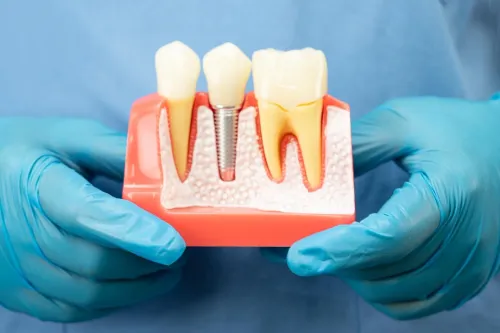
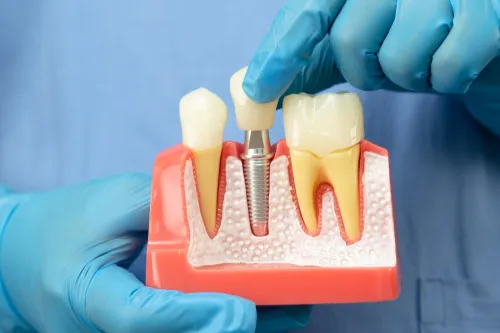
Retention continues after orthodontic appliances come off. Plan the type and duration of orthodontic retainers, inspect their fit, and replace damaged retainers. For implants, schedule implant maintenance with professional cleaning, gum and bone assessment, bite checks, and review of the crown or bridge so small problems do not become expensive failures.
How to Compare Clinics by Continuity Rather Than Claims
Compare what each clinic does between visits, not what each claims to offer. In a dental clinic comparison, ask both clinics to explain the same case: who examines you, how findings are recorded, how follow-up is scheduled, and who handles care beyond their expertise.
| Question to ask | Clinic A | Clinic B |
|---|---|---|
| How is treatment planned? | Does the dentist explain preventive, minimally invasive, and replacement options, with treatment cost and alternatives? | Does the dentist explain what happens if you monitor, repair, or replace the problem? |
| What happens after treatment? | Who reviews healing, bite, gum measurements, restorations, or implants, and when? | Is the recall date risk-based rather than automatically six months? |
| How are referrals handled? | Are specialist referral pathways clear for complex root anatomy, advanced gum disease, severe malocclusion, lesions, sedation, or medical risk? | Will the clinic share records and coordinate with the referred specialist? |
| How will you communicate? | Can you reach the clinic for urgent problems, receive written plans, and obtain radiographs and treatment records? | Are costs, consent, changes, and missed follow-up documented? |
Ask Prabhuta Dental Care these questions directly, then compare its answers with another clinic’s. The best dental clinic for long-term care is the one that makes responsibility, follow-up, referrals, and communication visible before you commit.
Related services
Pediatric Dentistry (Children's Dental Care) Pediatric Dentistry (Children's Dental Care) Pediatric Dentistry (Children's Dental Care) Gentle & Caring Dental Care for Children At Prabhuta Dental Care, we provide specialized Pediatric... View service → |
Dental Implants/ full mouth implant Dental Implants/ full mouth implant Dental Implants & Full Mouth Implants Permanent Solution for Missing Teeth At Prabhuta Dental Care, we offer advanced Dental Implant and Full Mouth... View service → |
Frequently asked questions
What should a long-term dental relationship include?
It should include an up-to-date history, regular risk reviews, preventive care, treatment, maintenance, and follow-up within one coordinated plan.
How does risk assessment determine your recall schedule?
Your dentist should consider decay, gum disease, oral hygiene, diet, smoking, medical conditions, medications, and previous treatment before setting review intervals.
Which dental qualifications and safety practices should you verify?
Verify the dentist’s registration and qualifications, sterilization procedures, instrument packaging, medical emergency readiness, and referral arrangements for specialist care.
What records and explanations make dental care continuous?
Ask for accessible clinical notes, radiographs, periodontal measurements, treatment plans, consent details, restoration information, and clear explanations of next steps.
How does a long-term plan protect teeth and restorations?
Scheduled examinations, preventive advice, hygiene care, bite checks, and restoration reviews help detect new disease and repair problems before they worsen.
Related services
Dental Check-up & Consultation Dental Check-up & Consultation At Prabhuta Dental Care, we provide comprehensive dental check-ups and expert consultations to help maintain your oral health and detect dental... View service → |
Teeth Cleaning (Scaling & Polishing) Teeth Cleaning (Scaling & Polishing) Professional Teeth Cleaning (Scaling & Polishing) At Prabhuta Dental Care, we offer advanced Teeth Cleaning (Scaling & Polishing) treatments to... View service → |
Root Canal Treatment (RCT) Root Canal Treatment (RCT) – Save Your Natural Tooth Root Canal Treatment (RCT) is a highly effective dental procedure used to treat infected or... View service → |
Teeth Whitening Brighten Your Smile with Professional Teeth Whitening At Prabhuta Dental Care, we offer advanced Teeth Whitening Treatments to help you achieve a... View service → |