A suitable candidate is assessed by more than the fact that a tooth is missing. Jaw growth, bone volume, gum health, medical history, oral hygiene, smoking, diabetes, bite forces, and willingness to maintain the restoration all affect whether implant treatment is appropriate now, later, or not at all.
Key takeaways
- Healthy bone and gums support safe implant placement.
- Smoking, uncontrolled diabetes, and poor cleaning can delay healing.
- Bone grafting or gum treatment can improve implant eligibility.
- Choose implants based on health, function, maintenance, and long-term fit.
What makes someone a suitable candidate for a dental implant?
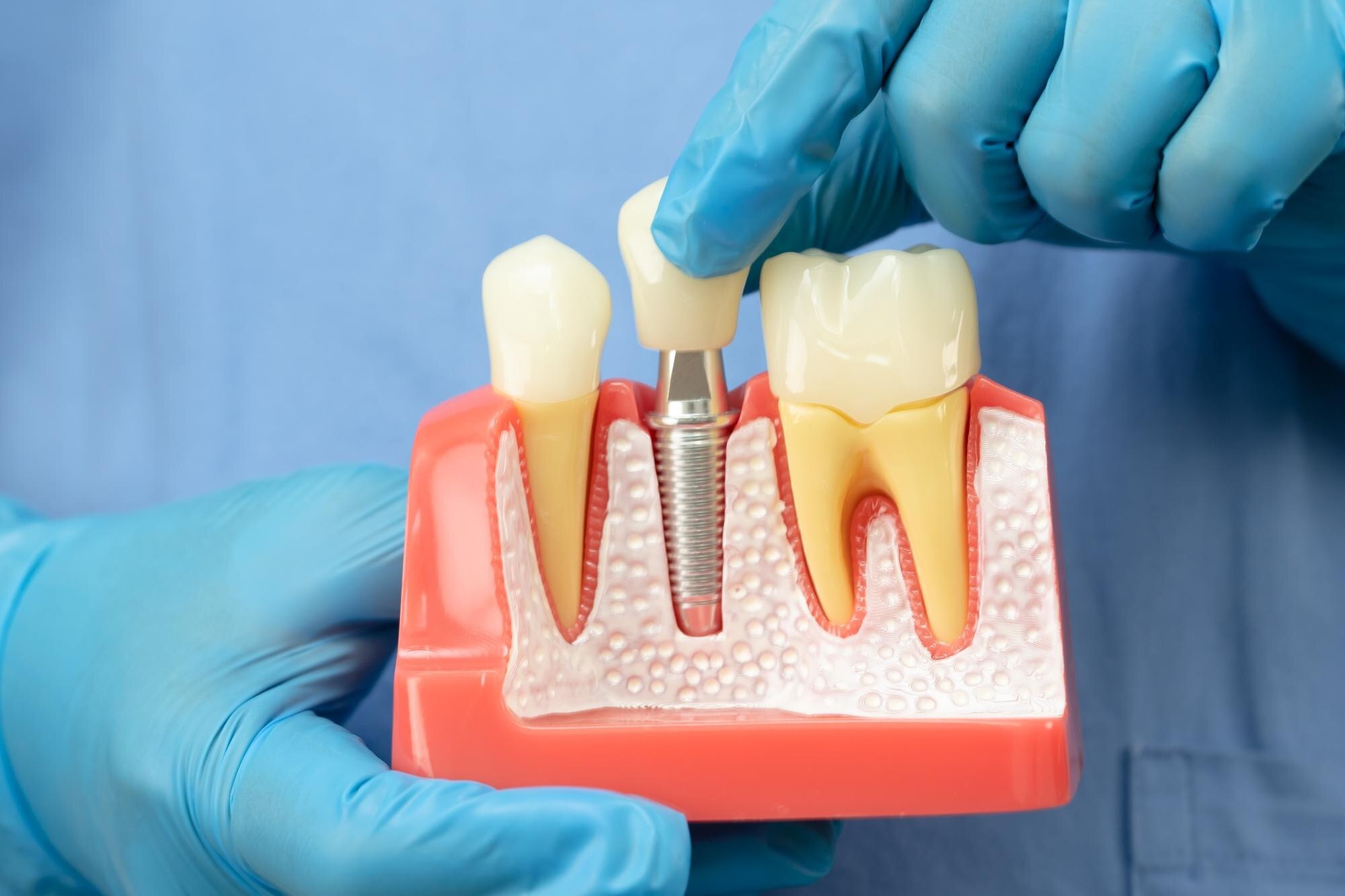
A suitable dental implant candidate has one or more missing teeth, completed jaw development, adequate healthy bone at the proposed site, healthy gums for implants, and the ability to clean and maintain the restoration every day. Age alone does not decide eligibility.
Adult dental implants are assessed by oral health, bone, bite, and maintenance ability rather than by a birthday.
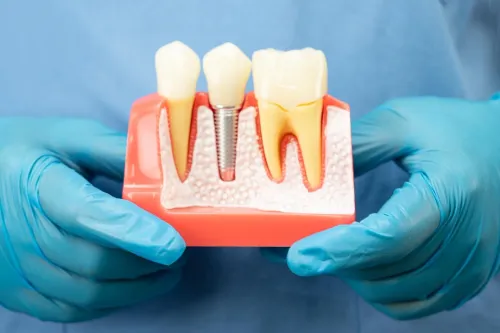
- Single-tooth implant: One missing tooth with usable space, stable adjacent teeth, a healthy opposing tooth, and enough bone for the implant and crown.
- Multiple implants supporting a bridge: Several missing teeth with implant positions, bite forces, and restorative space that can support a shared restoration.
- Full-arch treatment: Extensive tooth loss requiring a different assessment of bone, bite, cleaning access, esthetics, and long-term support. Approval for one implant does not automatically make full-mouth rehabilitation suitable.
Children and adolescents usually wait until jaw growth is complete because continued growth can leave an implant in the wrong position relative to neighboring teeth. Rare exceptions require specialist assessment. Clenching or grinding can overload an implant, so ask about a night guard and other protection.
The dentist must also assess heavy bite forces, adjacent and opposing teeth, available restorative space, smile-line esthetic demands, and whether you can attend maintenance visits. Implants cannot decay, but poor cleaning can cause peri-implant mucositis and peri-implantitis, which destroy supporting bone.
How does a dentist determine whether an implant can be placed safely?
A safe implant decision starts with confirming that the proposed implant can be placed accurately, remain stable, and support the planned restoration without damaging nearby structures.
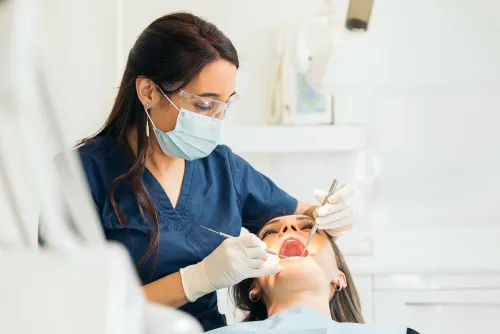
1. During a dental implant examination, the dentist checks the gums, adjacent and opposing teeth, bite forces, clenching or grinding, available restorative space, and cleaning ability. They also inspect the extraction site for healthy socket walls, soft-tissue coverage, swelling, drainage, or other signs of infection.
2. Dental X-rays for implants show the tooth roots, jawbone outline, and nearby structures. The dentist uses them to estimate bone height and width, but an extraction socket is not automatically ready for immediate placement; infection, damaged socket walls, or inadequate stability can make delayed placement safer.
3. CBCT dental implant planning provides three-dimensional views when bone volume, sinus position, nerve location, or another anatomical relationship is unclear. This implant bone assessment helps measure bone height, width, and density and confirms whether the planned implant and restoration fit safely.
The dentist must achieve primary stability at placement, meaning the implant is firmly held by bone rather than relying on the final healing process. Osseointegration commonly takes several months before the final crown, bridge, or denture is attached.
Immediate loading is a selected protocol for suitable cases, not the default; placing a temporary tooth quickly does not prove that the implant has finished integrating.
When can treatment make an unsuitable candidate suitable?
An unsuitable candidate can become suitable after the condition blocking treatment is controlled. This is conditional candidacy, not immediate candidacy: placement waits until the mouth can support healing and long-term cleaning.
1. Treat active disease first. Periodontal therapy before implants can control periodontitis, while fillings or root-canal treatment address untreated decay. Drain or treat an infection before surgery. Replacing a tooth without controlling gum disease leaves the cause of future inflammation and bone loss around the implant.
2. Remove a tooth that cannot be restored. Extraction can eliminate a non-restorable tooth, but the resulting socket still needs assessment. Damaged socket walls, infection, thin bone, or poor primary stability can make delayed placement safer than immediate placement.
3. Build the site when bone is insufficient. Bone grafting for dental implants can increase ridge width or height, and sinus augmentation can create additional bone in the upper back jaw. Both add surgery, healing time, cost, and risks such as graft failure, infection, or sinus complications.
The decision about immediate versus delayed implant placement depends on disease control, socket walls, soft-tissue and bone anatomy, and primary stability. An immediate implant suits a clean, intact site with reliable stability; delay is safer when infection, bone damage, or uncertain healing makes that outcome unlikely.
A clinician may first allow the socket to heal, then reassess with examination and imaging before scheduling placement.
Which health and lifestyle factors affect implant healing?
Uncontrolled periodontitis and poor plaque control increase inflammation around an implant. The first stage is peri-implant mucositis; without treatment, it can progress to peri-implantitis, destroy supporting bone, and threaten long-term stability. Daily brushing, interdental cleaning, and maintenance visits are essential because implants do not decay, but their surrounding tissues can become diseased.
| Factor | Effect on healing and support | Planning response |
|---|---|---|
| Uncontrolled periodontitis | Raises infection, peri-implantitis, bone-loss, and failure risk | Treat and stabilise gum disease before placement |
| Heavy smoking | Impairs wound healing and increases infection and long-term implant risk | Discuss smoking and dental implants openly; cessation or reduction before surgery and during healing |
| Poorly controlled diabetes | Can impair healing and raise infectious and implant-complication risk | Review diabetes and implant healing; coordinate with the treating physician when needed |
| Poor plaque control | Allows mucositis to develop and progress to peri-implantitis | Confirm that you can clean daily and attend recall visits |
Diabetes and smoking are not automatic exclusions, but they require explicit risk discussion and a realistic plan. Tell the dentist about anticoagulants and dental implants, bisphosphonates and implants, denosumab, other antiresorptive or antiangiogenic drugs, and immune-suppressing medicines; never stop prescribed medication without medical advice.
Head-and-neck radiation involving the jaws also requires individual planning because bone healing and complication risk can change.
Your medical history may require coordination with a physician before surgery. Long-term maintenance is part of implant treatment, not an optional extra: attend scheduled reviews and clean around the implant every day to protect the bone supporting it.
What should “best dental implants” mean when choosing a treatment plan?
The best dental implants are not defined by appearance or brand; they fit your diagnosis, bite, health, budget, and ability to maintain them. Use these best dental implants criteria before agreeing to surgery:
- Ask for the diagnosis, proposed implant system, and implant system traceability, including the manufacturer, model, size, lot or batch number, and patient record entry.
- Confirm the clinician’s implant training and experience with your case, supported by documentation rather than a title alone.
- Review the restoration design: crown, bridge, or overdenture; materials; emergence profile; cleaning access; and how it will contact opposing teeth.
- Ask how bite forces and bruxism will be managed, including a night guard when indicated.
- Require a written dental implant treatment plan covering examination, imaging, periodontal or grafting treatment, placement, restoration, and follow-up.
- Get the healing and loading timeline in writing. Osseointegration often takes several months; immediate loading is a selected protocol, not the default.
- Request an implant maintenance plan stating daily cleaning methods, professional review intervals, radiographs when needed, and warning signs.
| Option | Strength | Trade-off |
|---|---|---|
| Fixed bridge | No implant surgery | Tooth preparation and cleaning beneath the bridge |
| Removable partial denture | Less invasive and reversible | Removal, movement, and regular maintenance |
| No replacement | Avoids treatment | Reduced chewing function or tooth movement |
Prabhuta Dental Care can be useful when it provides this patient-specific sequence and documents each decision. Technical feasibility alone does not justify surgery, cost, healing time, or maintenance demands.
Related service
Dental Implants/ full mouth implant Dental Implants/ full mouth implant Dental Implants & Full Mouth Implants Permanent Solution for Missing Teeth At Prabhuta Dental Care, we offer advanced Dental Implant and Full Mouth... View service → |
Frequently asked questions
What makes someone a suitable candidate for a dental implant?
A suitable candidate has missing teeth, completed jaw development, adequate healthy bone, healthy gums, and the ability to clean and maintain the restoration daily. Age alone does not decide eligibility.
How does a dentist determine whether an implant can be placed safely?
The dentist examines your teeth and gums, reviews your medical history, checks your bite and available space, and uses dental imaging to assess bone volume, anatomy, and implant position.
When can treatment make an unsuitable candidate suitable?
Treatment such as gum disease control, tooth removal, bone grafting, sinus augmentation, or improved management of a medical condition can address barriers before implant placement.
Which health and lifestyle factors affect implant healing?
Smoking, uncontrolled diabetes, active gum disease, poor oral hygiene, certain medicines, and conditions that impair healing can increase complications or delay recovery.
What should “best dental implants” mean when choosing a treatment plan?
The best option is not simply the most expensive implant. Compare the implant design, materials, clinical suitability, restoration quality, maintenance needs, treatment timeline, and your dentist’s plan for long-term care.