
A missing tooth does not always call for an implant, but waiting can make some cases harder to treat as bone shrinks and neighbouring teeth move. By the end, you will know which warning signs need prompt attention, what an implant consultation examines, when medical or surgical complexity calls for specialist planning, and how to compare an implant with other options.
Key takeaways
- Book an implant evaluation when chewing, speech, bite, or appearance changes after tooth loss.
- Ask for a bone assessment before delaying treatment after extraction.
- Save a natural tooth when it has enough healthy structure and predictable treatment options.
- Expect coordinated planning for bone grafting, gum disease, diabetes, or complex bite problems.
Warning signs that make an implant consultation timely
Arrange an implant-focused evaluation rather than simply wait when tooth loss is changing your bite, appearance, or ability to eat. Timing matters because bone can shrink after extraction, neighbouring teeth can drift, and a later restoration may need additional treatment.
| Change | Why waiting can complicate treatment | Recommended next step |
|---|---|---|
| Recently extracted tooth | The socket and supporting bone begin healing in a new shape | Ask whether immediate, early, or delayed replacement is suitable |
| Tooth cannot be restored | Extraction removes the chance to plan the replacement around the remaining tooth | Discuss extraction, bone preservation, and replacement options together |
| Several missing teeth | Gaps can alter chewing forces and require a coordinated prosthetic plan | Request implant-focused planning for the whole area |
| Chewing difficulty after tooth loss | Uneven loading can worsen wear or bite instability | Arrange an evaluation before discomfort becomes your normal bite |
| Upper front tooth loss | Gum level, papilla height, and crown position strongly affect the visible result | Seek specialist assessment before placement |
| Unstable denture or drifting neighbours | Movement can reduce available space and make cleaning harder | Have the bite and remaining teeth examined |
Facial swelling, fever, severe pain, uncontrolled bleeding, or dental trauma needs urgent dental attention first. Stabilising infection or bleeding takes priority over implant planning.
Tell the clinician about blood thinners, diabetes, smoking, and previous implant problems. Never stop anticoagulant or antiplatelet medicine without instructions from the prescribing medical clinician. An implant is not automatically the best replacement; compare it with a bridge, partial denture, orthodontic treatment, or no replacement.
When a general check-up becomes an implant planning appointment
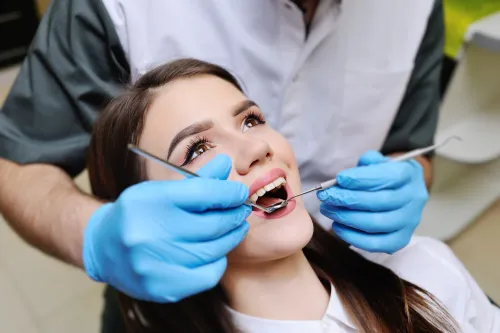
A general dental check-up looks for disease and routine treatment; an implant consultation decides whether an implant is suitable and how the replacement tooth will be positioned, supported and cleaned. The clinician reviews the missing tooth, neighbouring teeth, medical history, alternatives and treatment sequence.
Referral to an implant-focused clinician helps when bone, gum shape, bite or appearance makes placement demanding.
| Visit | Main purpose | Assessment and imaging | Decision |
|---|---|---|---|
| General dental check-up | Find decay, gum disease and other oral problems | Visual examination, routine X-rays when indicated, cleaning and bite review | Treat disease and maintain oral health |
| Implant consultation | Plan or reject implant treatment | Gum examination, bite analysis, tooth assessment, targeted X-rays and CBCT when needed | Choose an implant, another replacement, delayed treatment or no replacement |
Expect a gum examination to identify active periodontitis, loose teeth, recession and plaque-control problems. The clinician also checks the proposed implant space, neighbouring roots, tooth contacts and bite; an implant that integrates successfully can still fail functionally or cosmetically if its position does not suit the final crown.
Periapical or panoramic X-rays show roots, bone height and nearby structures. A three-dimensional CBCT scan adds information about bone width, the maxillary sinus, the inferior alveolar nerve or the front-tooth esthetic zone when two-dimensional images cannot answer the planning question. Bring every medication name, dose, route and duration, especially antiresorptive or antiangiogenic drugs.
Children and adolescents need growth assessment before definitive implant planning.
How bone loss and medical history change the timing
Before extraction, assess the socket, surrounding bone, gums, bite, and medical history—not just the missing tooth. Bone loss after extraction can narrow the ridge and reduce implant support; early planning allows ridge preservation or bone grafting before further resorption.
A recently lost upper back tooth may also require sinus augmentation if the sinus has expanded into the available bone.
1. Use a CBCT scan when two-dimensional X-rays cannot show ridge width, bone height, nerve position, sinus anatomy, or hidden infection. For immediate placement, check socket-wall integrity, active infection, soft-tissue thickness, primary stability, and recession risk. Unfavourable findings can make delayed or staged placement safer.
2. Examine for active periodontitis, bleeding, deep pockets, loose teeth, and plaque control. Treat and stabilise gum disease before surgery; a history of periodontitis does not automatically rule out implants, but untreated infection raises the risk of peri-implant disease.
3. Review diabetes control, smoking, previous radiation treatment, and medicines that affect healing or bone. Poorly controlled diabetes and smoking call for stabilisation or cessation before elective surgery, while antiresorptive treatment requires individual risk assessment.
4. Report every anticoagulant and antiplatelet drug before extraction or grafting. Never stop one yourself; the dental surgeon and prescribing clinician must coordinate the plan.
Grafting adds healing time and does not guarantee later implant placement. A specialist opinion is therefore valuable before extraction, especially with severe bone loss, a thin upper-jaw ridge, multiple missing teeth, or a treatment plan that does not explain how the final teeth will function and remain clean.
When saving the natural tooth or choosing another replacement is better
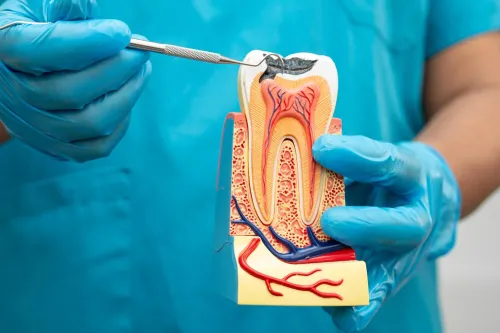
A healthy, restorable tooth usually deserves root canal treatment and a crown before extraction is considered. Saving it preserves natural support and avoids surgery, although it can fail when cracks, severe decay, or inadequate bone remain.
| Option | Main advantage | When it may be better |
|---|---|---|
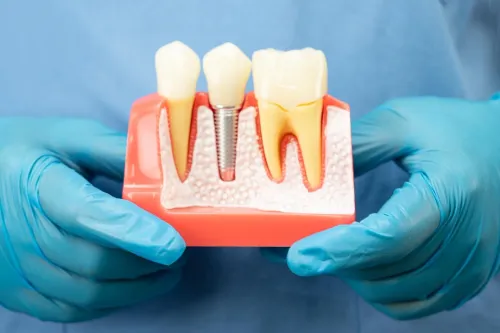
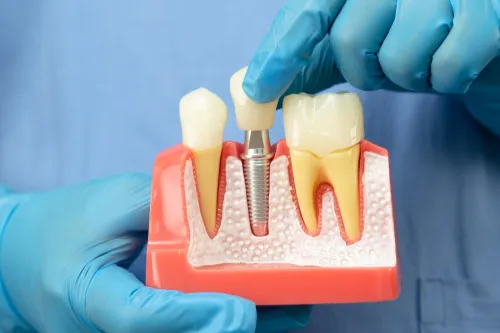
| Implant crown | Replaces the root without cutting adjacent teeth | You have healthy neighbours, controlled gum disease, suitable bone, and can maintain it |
| Fixed bridge | Faster tooth replacement without implant surgery | Adjacent teeth already need crowns; cleaning beneath the bridge is manageable |
| Partial denture | Replaces several teeth at lower treatment burden | Surgery is unsuitable, or you need a removable and adjustable option |
| Orthodontic space closure | Uses your own teeth and avoids replacement | Tooth movement can close the gap without harming function or appearance |
| No replacement | Avoids cost, surgery, and maintenance | The gap does not affect chewing, speech, appearance, or tooth movement |
For a dental bridge comparison, include hygiene access, bite forces, treatment time, cost, and the amount of healthy tooth structure sacrificed. A partial denture can feel less stable, while an implant requires daily plaque control and professional reviews after the crown is fitted.
Children and adolescents usually need a temporary appliance, resin-bonded restoration, or space maintenance until jaw growth ends. Control active periodontitis first. Tell the surgeon about blood thinners, antiresorptive or antiangiogenic drugs, and never stop prescribed medication without medical coordination.
Cases that need coordinated specialist planning and long-term follow-up
Multiple missing teeth, full-mouth tooth loss, severe bone loss, an unfavorable bite, a failed dental implant, or planned reconstructive grafting justify coordinated specialist planning. Refer for an oral and maxillofacial surgeon, periodontist, or prosthodontist assessment when the surgical and restorative plans do not agree.
The team must design the final teeth before placing implants. A sinus lift for an upper back tooth, bone grafting, staged healing, or complex bite correction can change the number, position, and timing of implants. An unstable denture or active periodontitis also needs attention before surgery.
| Plan stage | What to expect | Why it matters |
|---|---|---|
| Surgical | Review medical history, gum health, CBCT findings, bone volume, sinus anatomy, grafting needs, and implant positions | A technically possible implant can still fail if infection, overload, or inadequate bone is ignored |
| Restorative | Plan the crown, bridge, or full-arch teeth, including bite, appearance, speech, access for brushing, and cleaning around implants | Implants placed without a cleanable final design create avoidable food trapping and overload |
| Maintenance | Attend professional reviews and monitor bleeding, pus, deeper probing depths, mobility, and bone changes | Peri-implant disease prevention depends on daily plaque control and scheduled monitoring |
Children and adolescents need a temporary appliance, bonded restoration, orthodontic space management, or denture until jaw growth is essentially complete. Prabhuta Dental Care can coordinate implant, denture, crown, and bridge discussions when the replacement choice needs to match surgical risk, hygiene ability, and long-term follow-up.
Related services
Dental Implants/ full mouth implant Dental Implants/ full mouth implant Dental Implants & Full Mouth Implants Permanent Solution for Missing Teeth At Prabhuta Dental Care, we offer advanced Dental Implant and Full Mouth... View service → |
Dentures (Complete & Partial) Dentures (Complete & Partial) Restore Your Smile with Comfortable & Natural-Looking Dentures At Prabhuta Dental Care, we provide high-quality... View service → |
Frequently asked questions
When should you consult an implant specialist for missing teeth?
Arrange an implant-focused evaluation when missing teeth affect chewing, speech, appearance, or your bite, or when you want to prevent further tooth movement and bone loss.
When does a general check-up become an implant planning appointment?
It becomes an implant planning appointment when tooth replacement requires assessment of bone volume, gum health, bite forces, neighbouring teeth, imaging, and the condition of the extraction site.
How do bone loss and medical history affect implant timing?
Bone loss can require grafting or other preparatory treatment, while conditions such as uncontrolled diabetes, gum disease, smoking, or certain medications can change surgical timing and follow-up.
When is saving a natural tooth better than replacing it with an implant?
Saving the natural tooth is better when it has sufficient healthy structure, a stable root, and a predictable treatment such as a filling, crown, or root canal.
Which implant cases need coordinated specialist planning?
Cases involving bone grafting, advanced gum disease, complex bite problems, multiple missing teeth, significant medical conditions, or extensive restorations need coordinated planning and long-term follow-up.
Related services
Dental Crowns & Bridges Restore Your Smile with Dental Crowns & Bridges At Prabhuta Dental Care, we provide high-quality Dental Crowns and Bridges to restore damaged,... View service → |
Tooth Extraction/ Wisdom Tooth Removal Tooth Extraction/ Wisdom Tooth Removal Tooth Extraction & Wisdom Tooth Removal Safe & Painless Tooth Extraction Services At Prabhuta Dental Care, we provide safe, comfortable, and... View service → |
Tooth-Colored Fillings Natural-Looking Tooth-Colored Fillings At Prabhuta Dental Care, we provide advanced Tooth-Colored Fillings (Composite Fillings) to restore teeth... View service → |
Root Canal Treatment (RCT) Root Canal Treatment (RCT) – Save Your Natural Tooth Root Canal Treatment (RCT) is a highly effective dental procedure used to treat infected or... View service → |