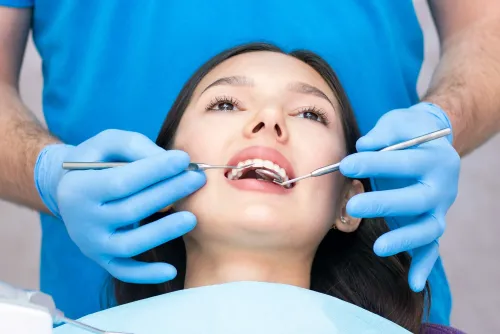
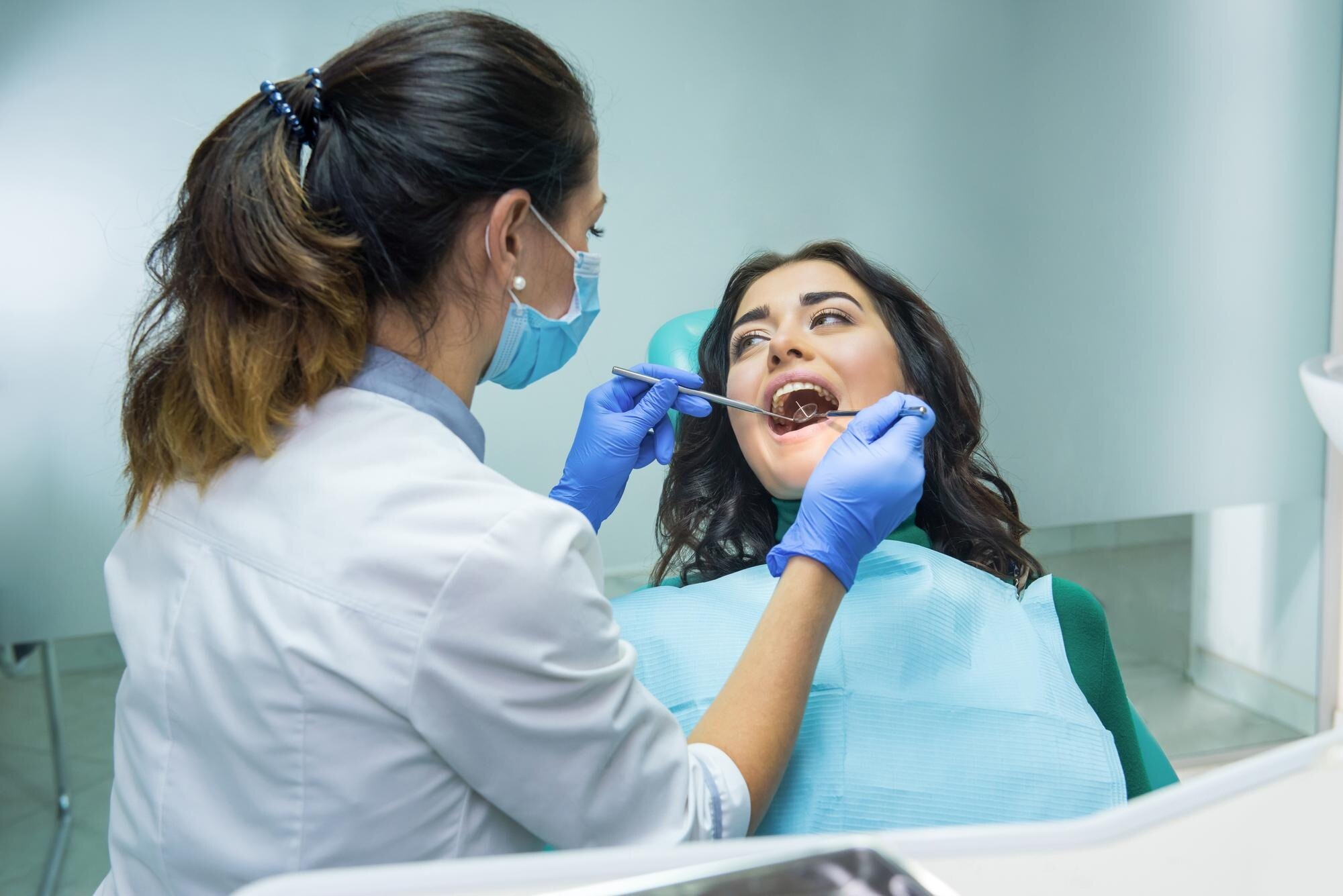
A dental visit is more than a cleaning, and six months is not a universal appointment rule. By the end, you will know what a preventive visit checks, how to set a recall interval based on risk, what to monitor at home, and how to question a recommended treatment.
Key takeaways
- A preventive visit includes examination, risk assessment, and next-step planning—not automatic scaling.
- Routine checks can find decay, gum disease, cracks, and oral lesions before pain starts.
- Your appointment interval depends on factors such as gum health, decay risk, age, and medical history.
- Ask what problem a recommended treatment addresses, what happens if you wait, and which alternatives exist.
What a Preventive Dental Visit Actually Includes
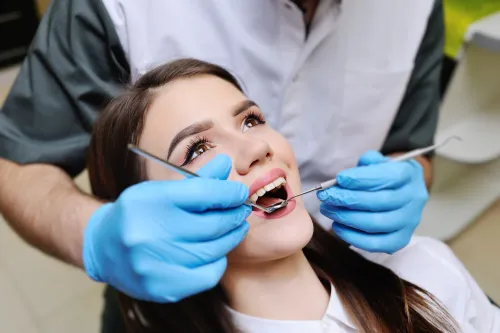
A preventive dental visit usually combines a history review, an examination, risk assessment, and a discussion of what to do next. It is not automatically a scaling appointment.
- A medical history review covers conditions, medicines, allergies, diabetes, dry mouth, tobacco or alcohol use, reflux, and other factors that affect oral health.
- A dental history review covers tooth pain, sensitivity, bleeding, previous fillings or extractions, home-care habits, and changes since your last visit.
- The dentist examines teeth for decay, cracked fillings, worn surfaces, plaque-retentive areas, and early enamel lesions. They check gums for bleeding, swelling, recession, and periodontal pockets, then assess your bite and any appliance that fits poorly.
- An oral-cancer screening checks the lips, cheeks, tongue, gums, palate, and throat for suspicious changes when appropriate. X-rays are taken only when symptoms, age, disease risk, previous images, or the examination make them likely to change treatment.
An examination and a professional cleaning serve different purposes:
| Examination | Professional cleaning |
|---|---|
| Diagnosis | Removes plaque and calculus |
| Checks teeth, gums, bite, and soft tissues | Cleans deposits above the gumline |
| May lead to X-rays, sealants, or treatment advice | Does not identify every cavity or oral lesion |
Cleaning does not replace a dental examination, and an examination does not automatically require scaling. Periodontitis can require cleaning below the gumline, improved home care, risk-factor control, and reassessment rather than a routine polish alone.
Problems a Routine Visit Can Find Before They Hurt
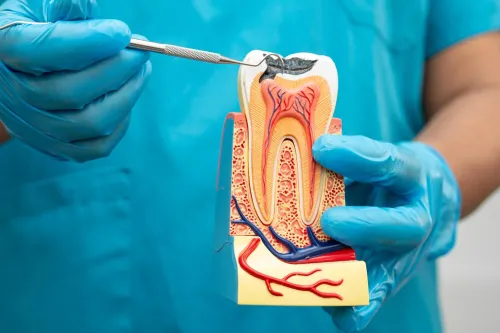
Early enamel decay can be found before a cavity causes sensitivity or pain. A clinician can also spot plaque-retentive grooves, high-sugar habits, and decay between teeth that a visual examination cannot see; bitewing radiographs are used when those images could change treatment, not automatically at every visit.
A gum assessment can reveal gum bleeding and pocketing, recession, attachment loss, loose teeth, or bone loss while gum disease remains painless. Persistent ulcers, red or white patches, lumps, or unexplained bleeding also need prompt investigation, even though a routine dental check cannot guarantee early cancer detection.
| Finding | If found early | If you wait |
|---|---|---|
| Early decay | Fluoride treatment, improved cleaning, monitoring, or a small filling may be enough | A larger filling, root canal, fracture, or extraction may become necessary |
| Gum bleeding and pocketing | Professional cleaning and targeted periodontal care can control inflammation | Periodontitis can destroy supporting bone and lead to tooth loss |
| Cracked fillings or worn teeth | Repair, replacement, or a night guard can protect the tooth | A crack can spread, or wear can expose sensitive inner layers |
| Impacted wisdom tooth or soft-tissue change | Monitoring or planned treatment can follow a clear finding | Infection, damage to nearby teeth, or delayed diagnosis can complicate care |
Waiting also hides problems beneath existing fillings and crowns. Report new sensitivity, but do not use pain as your appointment trigger: tooth decay can reach the pulp or cause a fracture before symptoms begin.
How Often Should You Schedule a Dental Visit?
There is no universal dental recall interval for every patient. A low-risk adult with healthy gums, no active decay, and stable habits may need visits every 12–24 months; a six-month dental check-up is not automatically necessary.
| Patient group | Practical recall timing | Why the interval changes |
|---|---|---|
| Low-risk adult | 12–24 months | Review findings, disease history, medicines, and previous X-rays before setting the next visit. |
| Child | Every 6–12 months | Growing teeth, diet, fluoride exposure, and eruption changes can alter decay risk quickly. |
| Gum disease | Every 3–4 months during maintenance | Periodontitis can progress without pain; visits monitor bleeding, pocket depth, recession, and bone loss. |
| Person with diabetes | Every 3–6 months when control or gum health is a concern | Diabetes and gum disease influence each other, so periodontal monitoring supports— but does not replace—medical care. |
| Tobacco user | Every 3–6 months | Frequent examination helps detect gum damage and suspicious changes in the mouth or throat early. |
| Braces and aligners | Orthodontic reviews every 4–8 weeks; dental examinations about every 6 months or as advised | Appliances increase plaque-retention areas, while orthodontic visits focus on tooth movement rather than complete preventive care. |
A child under six with elevated decay risk may also need fluoride varnish when teeth erupt, arranged through a dental or primary-care professional. Ask why a shorter interval is recommended and which finding would change it. X-rays belong only when symptoms, risk, age, prior images, or examination findings make them clinically useful.
What You Still Need to Do Between Appointments
Plaque hardens into tartar when it remains on the teeth, and brushing cannot remove tartar once it has formed. Brush twice daily with fluoride toothpaste, clean between teeth every day, and follow instructions for braces, aligners, retainers, or other appliances; skipped areas can develop decay or gum inflammation before they hurt.
Frequent sugar exposure matters more than one occasional dessert. Limit sugary drinks and snacks between meals, and rinse with water after acidic foods or drinks. Tobacco increases gum disease risk and stains teeth, while alcohol and tobacco together can worsen oral tissue irritation.
Medicines such as antihistamines, antidepressants, and some blood-pressure drugs can cause dry mouth, allowing decay and difficulty swallowing to develop faster. Ask your prescriber about alternatives rather than stopping medicine yourself.
Before your appointment, record:
- New sensitivity, bleeding, bad breath, dry mouth, ulcers, jaw clenching, tooth damage, or changes around an appliance.
- Every medicine, supplement, and inhaler you use, including the dose and when symptoms began.
- Your usual sugary drinks, snacks, tobacco or vaping use, alcohol intake, and whether you grind your teeth.
- Which areas you struggle to clean and how often you brush and perform daily interdental cleaning.
- The date of your last dental X-ray, cleaning, filling, extraction, or fluoride treatment.
Bring the list. Specific details help the clinician connect oral changes to habits, medicines, or reflux and choose prevention that fits your risk.
How to Judge a Dental Recommendation Before Agreeing
Classify the recommendation by its purpose: preventive treatment lowers future risk, diagnostic dental care investigates a suspected problem, and restorative treatment repairs damage already present. A sealant or fluoride application is preventive; an X-ray for a hidden lesion or assessment of a persistent ulcer is diagnostic; a filling, crown, root canal, or extraction is restorative.
Before agreeing, ask these questions:
- What exactly did you find, and where? Ask to see the tooth, photograph, X-ray, or gum measurement. “A cavity” is less useful than “decay has reached dentine on the upper-left first molar.”
- How urgent is it? A suspicious red or white patch, lump, unexplained bleeding, swelling, or fever needs prompt assessment; early enamel decay may allow monitoring or fluoride instead of immediate drilling.
- What treatment alternatives fit this finding? Ask whether observation, improved home care, fluoride, sealants, periodontal treatment, or referral is reasonable, and what each option cannot fix.
- What happens if I wait? Ask about likely progression, pain, fracture, infection, tooth loss, and whether waiting would remove a simpler option.
- How much time will the appointment take? Confirm whether it includes examination, imaging, numbing, treatment, or a separate follow-up.
At Prabhuta Dental Care, use that distinction to book the right appointment rather than assuming a cleaning includes diagnosis or periodontal treatment. A clear plan names the finding, purpose, urgency, alternatives, and next step.
Related services
Dental Check-up & Consultation Dental Check-up & Consultation At Prabhuta Dental Care, we provide comprehensive dental check-ups and expert consultations to help maintain your oral health and detect dental... View service → |
Pediatric Dentistry (Children's Dental Care) Pediatric Dentistry (Children's Dental Care) Pediatric Dentistry (Children's Dental Care) Gentle & Caring Dental Care for Children At Prabhuta Dental Care, we provide specialized Pediatric... View service → |
Frequently asked questions
What does a preventive dental visit include?
It usually includes a medical and dental history review, an examination, risk assessment, and a discussion of next steps. Scaling is not automatic at every visit.
What problems can a routine dental visit find before they hurt?
An examination can identify early tooth decay, gum disease, cracks, worn teeth, bite problems, and suspicious changes in the mouth before symptoms appear.
How often should you schedule a dental visit?
Your interval should match your oral health risks. Ask your dentist to base it on gum health, decay history, age, medical conditions, medicines, and home-care results.
What should you ask before agreeing to dental treatment?
Ask which problem the recommendation treats, how urgent it is, what happens if you wait, what alternatives exist, and what the treatment involves.
Related service
Teeth Cleaning (Scaling & Polishing) Teeth Cleaning (Scaling & Polishing) Professional Teeth Cleaning (Scaling & Polishing) At Prabhuta Dental Care, we offer advanced Teeth Cleaning (Scaling & Polishing) treatments to... View service → |