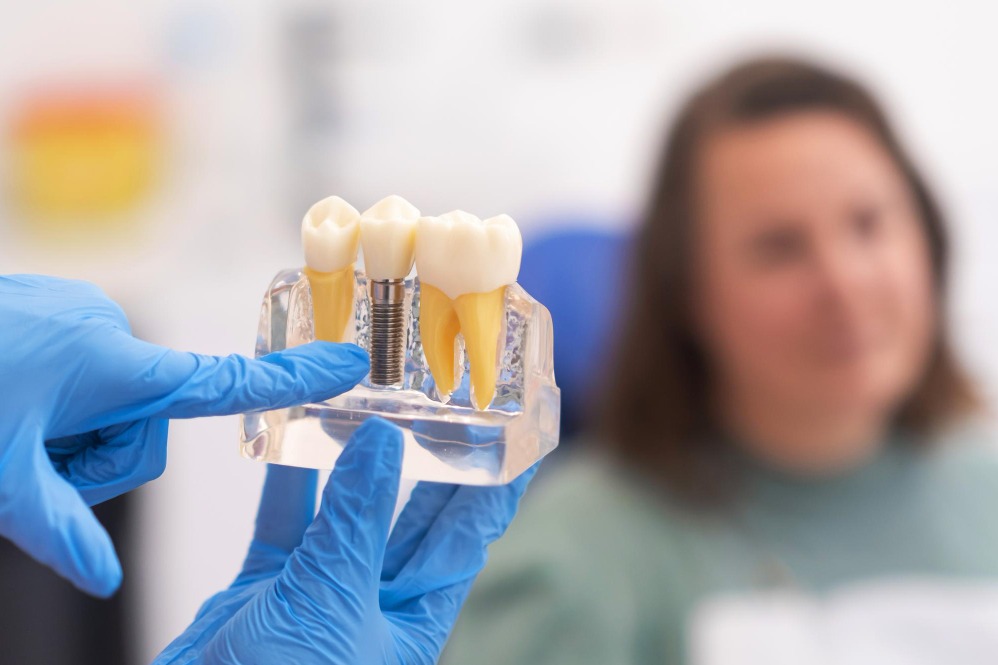
People researching the best dental implants in Vadodara are often already considering a long-term solution for a missing tooth. The next step is not necessarily booking implant surgery. It is arranging an assessment to determine whether implant treatment suits the specific condition of the mouth.
Several readiness indicators can help patients understand what an implant consultation is likely to cover.
You Have One or More Missing Teeth
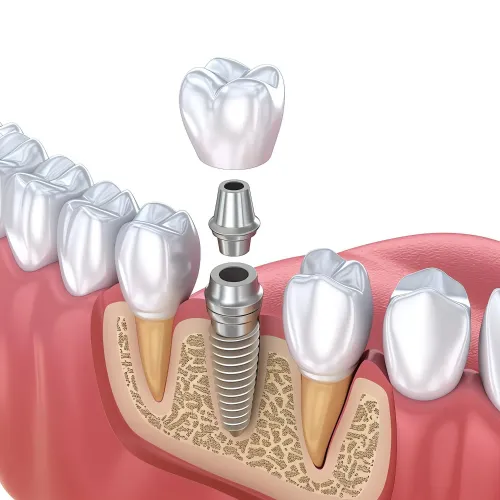
Dental implants can be considered for different patterns of tooth loss. They may support an individual crown or form part of a treatment plan involving several missing teeth.
However, implants are not the only replacement option. Bridges and removable prosthetic solutions may also be appropriate in selected circumstances.
Your Gums Need to Be Evaluated
Healthy supporting tissues are important for implant planning and long-term maintenance.
If active gum disease is present, the dentist may recommend managing it before proceeding with implant treatment. The condition of the remaining teeth also needs attention because the implant becomes part of the overall bite and oral environment.
Bone Availability Must Be Assessed
An implant requires adequate supporting bone.
After tooth loss, the jawbone in the area can change over time. Some patients have sufficient bone for conventional implant placement, while others may require additional planning or procedures.
Clinical examination and appropriate dental imaging help establish what is possible.
Your Medical History Is Relevant
Dental implant planning should include discussion of general health, medicines and lifestyle factors that could affect treatment or healing.
Providing complete and accurate information during consultation helps the clinician assess potential considerations before planning a surgical procedure.
You Understand That Treatment Takes Time
Implant dentistry commonly involves several stages.
Depending on the situation, these can include removal of an unsuitable tooth, healing, implant placement and attachment of the final restoration. Some stages can occasionally be combined, while others require waiting periods.
A personalised treatment timeline is therefore more useful than assuming every implant case follows the same schedule.
You Are Prepared for Long-Term Maintenance
Implants need consistent home cleaning and professional monitoring. Patients should be willing to maintain the gums and surrounding tissues after the final restoration has been fitted.
For individuals considering implant treatment in Vadodara, Gujarat, Prabhuta Dental Care can assess the missing-tooth area and discuss suitable restorative possibilities.
Being 'ready' for implants is not simply a matter of wanting a fixed replacement. Readiness involves healthy or manageable oral tissues, appropriate treatment planning and an understanding of the maintenance required afterward.
A consultation provides the information needed to determine whether implants are appropriate and what steps may be required before treatment can begin.
Best Dental Implants in Vadodara How to Know If You Are Ready for an Implant Consultation
People researching the best dental implants in Vadodara are often already considering a long-term solution for a missing tooth. The next step is not necessarily booking implant surgery. It is arranging an assessment to determine whether implant treatment suits the specific condition of the mouth.
Several readiness indicators can help patients understand what an implant consultation is likely to cover.
You Have One or More Missing Teeth
Dental implants can be considered for different patterns of tooth loss. They may support an individual crown or form part of a treatment plan involving several missing teeth.
However, implants are not the only replacement option. Bridges and removable prosthetic solutions may also be appropriate in selected circumstances.
Your Gums Need to Be Evaluated
Healthy supporting tissues are important for implant planning and long-term maintenance.
If active gum disease is present, the dentist may recommend managing it before proceeding with implant treatment. The condition of the remaining teeth also needs attention because the implant becomes part of the overall bite and oral environment.
Bone Availability Must Be Assessed
An implant requires adequate supporting bone.
After tooth loss, the jawbone in the area can change over time. Some patients have sufficient bone for conventional implant placement, while others may require additional planning or procedures.
Clinical examination and appropriate dental imaging help establish what is possible.
Your Medical History Is Relevant
Dental implant planning should include discussion of general health, medicines and lifestyle factors that could affect treatment or healing.
Providing complete and accurate information during consultation helps the clinician assess potential considerations before planning a surgical procedure.
You Understand That Treatment Takes Time
Implant dentistry commonly involves several stages.
Depending on the situation, these can include removal of an unsuitable tooth, healing, implant placement and attachment of the final restoration. Some stages can occasionally be combined, while others require waiting periods.
A personalised treatment timeline is therefore more useful than assuming every implant case follows the same schedule.
You Are Prepared for Long-Term Maintenance
Implants need consistent home cleaning and professional monitoring. Patients should be willing to maintain the gums and surrounding tissues after the final restoration has been fitted.
For individuals considering implant treatment in Vadodara, Gujarat, Prabhuta Dental Care can assess the missing-tooth area and discuss suitable restorative possibilities.
Being 'ready' for implants is not simply a matter of wanting a fixed replacement. Readiness involves healthy or manageable oral tissues, appropriate treatment planning and an understanding of the maintenance required afterward.
A consultation provides the information needed to determine whether implants are appropriate and what steps may be required before treatment can begin.
Keywords