A nearby clinic is not automatically the right clinic for your symptoms, schedule, or treatment needs. Before you book, confirm who will treat you, what the first visit includes, how urgent problems are handled, and what safety and cost information you can expect.
Key takeaways
- Check travel time, opening hours, visit length, and urgent-care arrangements.
- Confirm the clinic treats your condition before booking an appointment.
- Ask about fees, records, cancellation rules, and the expected treatment plan.
- Choose same-day care for severe pain, swelling, bleeding, or dental trauma.
Can the clinic fit your schedule, location, and practical needs?
A dental clinic near me is not practical if the journey, opening hours, or appointment timing repeatedly disrupts your day. Check the address, route, dental appointment availability, expected visit length, and what happens if you need urgent help between scheduled visits.
Before booking, confirm:
- Dental clinic location: calculate travel time during your usual traffic, not only the distance shown on a map.
- Dental appointment availability: ask for the earliest suitable slot, cancellation policy, evening or weekend appointments, and whether follow-up visits can be booked in advance.
- Dental clinic parking and transport access: check parking charges, nearby bus stops, walking distance, lift access, and bicycle or wheelchair entry.
- Communication support: ask whether staff can communicate in your preferred language, arrange an interpreter, and send appointment instructions by phone, text, or email.
- Access arrangements: confirm step-free entry, an accessible toilet, room for a mobility aid, and support for a child or accompanying carer.
- Appointment length: ask whether your first visit includes examination, paperwork, X-rays, or treatment, because a short slot may not cover everything you need.
If severe pain, swelling, trauma, or a broken temporary appliance occurs, ask how the clinic handles same-day problems rather than assuming a routine slot will be available.
Does the clinic treat your specific dental problem?
Match your reason for booking with the dentist who will actually examine or treat you. Ask who handles tooth pain, broken filling treatment, gum bleeding, orthodontics, implants, or cosmetic work rather than relying on the clinic’s service list.
- Tooth pain: confirm the examining dentist diagnoses the cause, not only provides temporary relief.
- Broken filling treatment: ask whether the dentist restores the tooth or refers complex repairs.
- Gum bleeding: choose a provider who assesses periodontal health, not just visible cavities.
- Child’s first dental visit: confirm the clinic discusses fluoride, diet, oral habits, behaviour guidance, and referral to a pediatric dentist when needed.
Before booking, check the treating dentist’s licence with the dental regulator for the state or country where the clinic operates. In India, verify registration through the relevant state dental council or National Dental Commission records.
Check the dentist’s degree, postgraduate specialty qualification, and experience with your specific procedure; a clinic can advertise implants or orthodontics without every dentist being a specialist.
A proper first visit includes your medical and medication history, dental history, teeth and soft-tissue examination, and gum assessment. Ask whether an X-ray is considered when symptoms or suspected infection make one necessary.
For orthodontics, confirm the retainer type, replacement cost, cleaning instructions, and expected wear period before accepting a fee that covers only braces or aligners.
What should you ask the receptionist before booking?
Ask for the dentist’s name, qualifications, and role before you book. Confirm that the person taking your call is not scheduling a brief consultation when you need a complete assessment.
Questions to ask a dental receptionist include:
- Who will see me, and will that dentist examine and treat me?
- Does this dental examination appointment include a review of my teeth, gums, soft tissues, dental history, and medical history?
- Could I need a dental X-ray before appointment day, or will the dentist decide after examining me? Ask whether recent images can be sent instead of repeated.
- How long will the visit take, including registration and any imaging?
- What should I bring: medical history for dentist, medication names and doses, allergy information, previous dental records, referral letters, and usable X-rays or scans?
| Appointment type | Confirm before booking | Records or details to bring |
|---|---|---|
| New-patient examination | Full examination, estimated length, and imaging policy | Medical and dental history, medicines, previous images |
| Child’s first visit | Age-appropriate prevention and behaviour guidance | Fluoride exposure, diet, oral habits, and prior dental history |
| Urgent problem | Same-day assessment and after-hours instructions | Symptoms, onset, swelling, trauma details, and current medicines |
What safety practices should you check before sitting in the dental chair?
Ask to see the clinic’s dental clinic infection control routine, not just a claim that the premises are clean. Check these points before treatment:
1. Instruments that enter soft tissue or bone should be heat-sterilised between patients. Look for sealed sterilisation pouches opened chairside, and ask how dental instrument sterilisation is monitored and recorded.
2. Staff should use a fresh pair of disposable gloves and a new mask for your care. Treatment surfaces, light handles, and other touchpoints should be disinfected between patients.
3. Confirm that needles and other sharps go straight into a rigid, labelled sharps container rather than a general waste bin.
4. Ask what dental-unit waterline safety system the clinic uses to prevent biofilm, how lines are treated, and how water quality is monitored. The target for dental treatment water is no more than 500 CFU/mL of heterotrophic bacteria.
5. If sedation is offered, ask who administers it, what monitoring continues during recovery, how long you remain under observation, and what fasting instructions apply. Confirm that emergency equipment is available and whether an adult escort must take you home and stay with you.
Is this a routine appointment, specialist visit, or same-day emergency?
Match the setting to the problem: use a general clinic for routine examinations, toothache, fillings, gum concerns, and a same-day dental appointment for a manageable urgent issue.
| Option | Best for | Book when |
|---|---|---|
| General clinic | Check-ups, fillings, gum care, children’s visits | You need ongoing or non-complex treatment |
| Specialist practice | Orthodontics, implants, complex gum, root-canal, or pediatric care | Your problem needs named specialist expertise |
| Hospital dental department | Complex medical conditions, severe trauma, or surgery | A dentist or doctor refers you for hospital-level care |
| Emergency dental service | Severe pain, uncontrolled bleeding, dental trauma, or urgent infection | You need immediate assessment outside routine hours |
Ask how the clinic handles severe toothache, a broken filling, trauma, or a lost temporary appliance between appointments. Search for an emergency dentist near me if your regular clinic cannot see you promptly.
Seek immediate medical attention for a facial swelling dental emergency involving facial or neck swelling that affects breathing or swallowing. Go urgently for uncontrolled bleeding or fever with dental symptoms. A knocked-out permanent tooth also needs immediate care; hold it by the crown, not the root, and keep it moist while travelling for treatment.
Will the clinic give you a reasoned plan and a complete estimate?
Accept treatment only after you receive a written dental treatment plan and an itemised dental treatment estimate. The document should explain what is wrong, what happens if you do nothing, available alternatives, the order of procedures, major risks, maintenance, and each separate fee.
- Ask whether the quote includes examinations, X-rays, scans, temporary restorations, laboratory work, bone grafting, implant components, follow-up visits, and replacement parts. A low headline price can exclude the work that makes treatment possible.
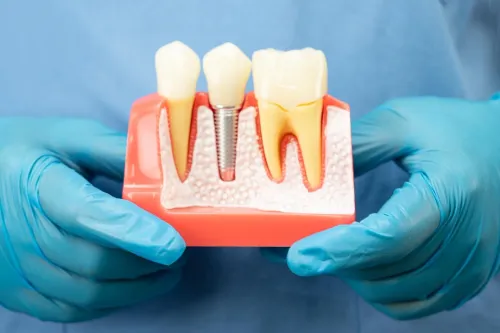
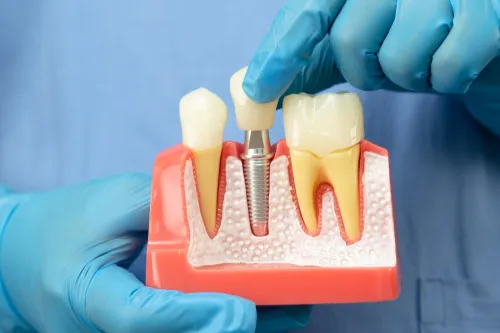
- For an implant consultation, confirm who will place and restore the implant, their individual credentials, the required scans, healing stages, risks, and maintenance schedule.
- For orthodontics, ask for the retainer type, cleaning instructions, expected wear duration, and orthodontic retainer cost. Retention is part of treatment because teeth can relapse after braces or aligners.
- For sedation or pediatric care, ask who administers it, fasting rules, monitoring, recovery observation, emergency equipment, discharge requirements, and whether an escort is required.
- Ask why whitening, crowns, antibiotics, or multiple procedures are recommended. Reject pressure to approve them without a clinical explanation, diagnosis, and reasonable alternatives.
Prabhuta Dental Care can be compared on this basis: request the proposed sequence and separate charges before approving cosmetic or children’s care, not simply the service name on a clinic’s website.
Related service
Dental Check-up & Consultation Dental Check-up & Consultation At Prabhuta Dental Care, we provide comprehensive dental check-ups and expert consultations to help maintain your oral health and detect dental... View service → |
Frequently asked questions
How do I check whether a dental clinic suits my schedule and location?
Check the clinic’s exact address, travel route, opening hours, appointment availability, expected visit length, parking or public transport, and urgent-help arrangements between visits.
How can I confirm that a clinic treats my dental problem?
Tell the receptionist your symptoms and ask whether the clinic provides the needed service, such as pediatric dentistry, orthodontics, root canal treatment, implants, gum care, or emergency dentistry.
What should I ask the receptionist before booking?
Ask about the earliest suitable appointment, consultation fees, accepted payment methods, required records, cancellation policy, expected appointment length, and what to do if symptoms worsen.
What safety practices should I check at a dental clinic?
Look for clean treatment areas, sealed or properly packaged instruments, hand hygiene, fresh gloves and masks, surface disinfection between patients, and clear handling of used instruments and clinical waste.
When should I book same-day emergency dental care?
Seek same-day care for uncontrolled bleeding, facial swelling, severe persistent pain, a knocked-out or broken tooth, a dental injury, or difficulty breathing or swallowing.