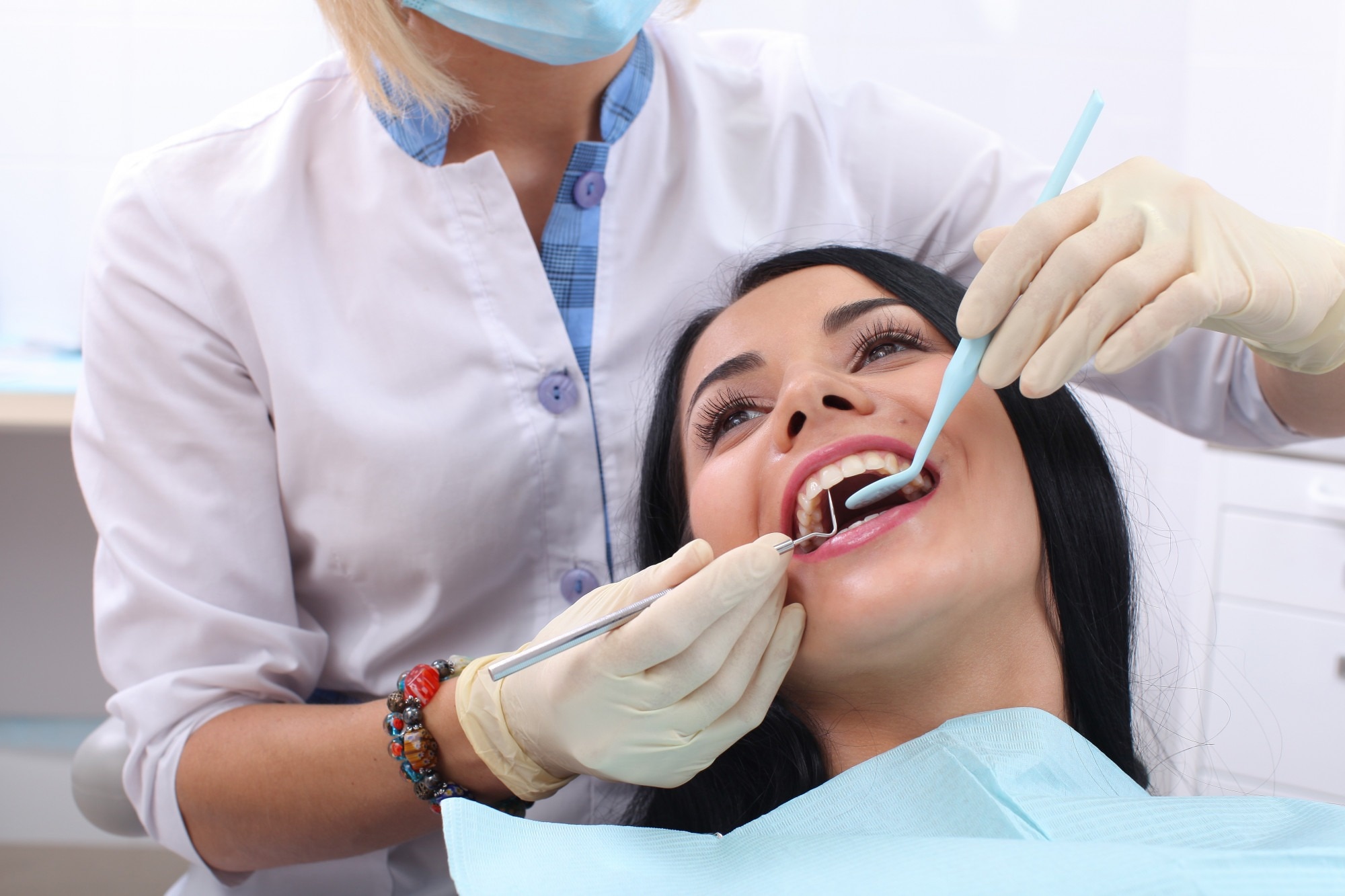
The best family clinic is not simply the one with the longest service list; it is the one that can coordinate prevention, diagnosis, treatment, emergencies, and long-term maintenance for people with different needs. Use the checks below to compare clinics, verify their credentials, inspect their safety practices, and judge whether they can provide continuous care for your household.
Key takeaways
- Choose one clinic that coordinates prevention, specialists, emergencies, and follow-up.
- Check dentist expertise, diagnostic equipment, infection-control procedures, and written treatment plans.
- Ask about emergency response, itemised billing, payment terms, and referral arrangements.
- Use the first family visit to assess communication, children’s care, and continuity.
Define complete family dental care before comparing clinics
Complete family dental care means one connected pathway from prevention and diagnosis to treatment, referral, emergency help, and follow-up. The clinic should become your family’s dental home, including for a child’s first visit by 12 months, before pain or visible decay appears.
1. Establish prevention for every age. This includes risk assessment, fluoride guidance, hygiene and feeding advice, regular examinations, and acclimatization to dental care. For children younger than 3, recommend a rice-grain amount of fluoride toothpaste; from ages 3 to 6, use a pea-sized amount with adult supervision.
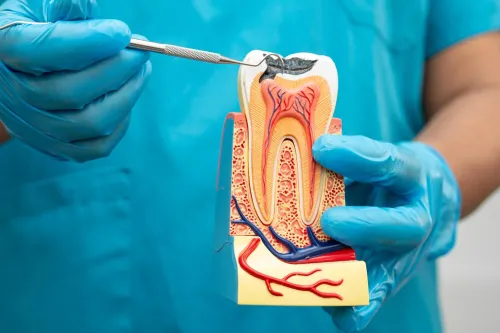
2. Provide or coordinate treatment for damaged, missing, or misaligned teeth. The pathway should include preventive dentistry, restorative dentistry, pediatric dentistry, orthodontics, gum treatment, root-canal care, oral surgery, and tooth replacement.
3. Identify who performs specialist treatment. A general dentist can coordinate referrals, but the clinic should name the dentist with recognized specialty training for procedures such as orthodontics, implants, or surgery.
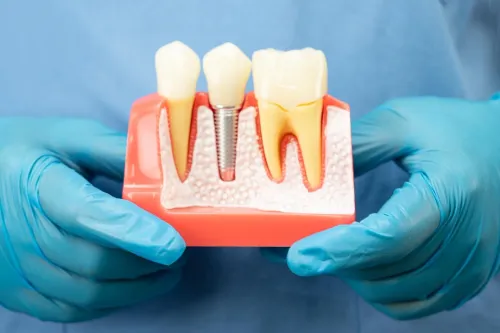
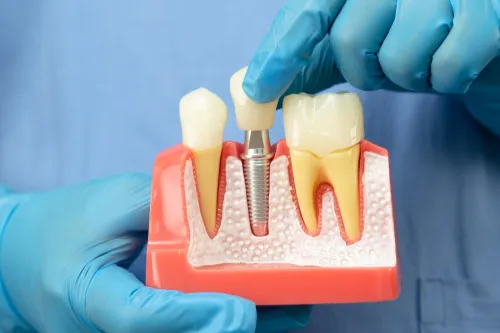
4. Link treatment to the cause and the next step. Before implant placement, assess periodontal disease, smoking, diabetes control, plaque levels, bone, and soft tissue rather than treating tooth replacement as an isolated procedure.
5. Explain urgent access for swelling, trauma, uncontrolled bleeding, and after-hours problems. Breathing or swallowing difficulty, fever with facial swelling, or rapidly worsening infection requires emergency medical care.
A clinic meets the definition only when records, referrals, treatment plans, and recalls move with you instead of forcing each family member to restart at every appointment.
Compare dentists, specialists, equipment, and treatment planning
Verify each dentist’s Dental Council of India registration or State Dental Council registration before treatment, using the relevant official register. Ask which dentist will examine each family member, and who will perform procedures such as root canals, orthodontic treatment, implants, or oral surgery.
Compare the people and systems behind the clinic with this check:
- General dentist: confirm who handles examinations, prevention, fillings, and routine care.
- Specialist: ask for the clinician’s specialty and specialist qualification, including the institution that awarded it. A general dentist may coordinate care, but the clinic should identify who actually performs specialist procedures.
- Diagnostic systems: ask what dental diagnostic equipment is available, such as digital radiography, intraoral cameras, or three-dimensional imaging, and why each test is needed. Routine X-rays should follow symptoms, clinical findings, age, and caries risk rather than an automatic schedule.
| What you compare | Strong evidence | Warning sign |
|---|---|---|
| General care | Named dentist with verifiable registration | Staff avoid giving registration details |
| Specialist care | Referral or treatment by a dentist with recognized specialty training | “Specialist” is used without a qualification |
| Treatment planning | Written treatment plan with alternatives, risks, expected longevity, maintenance, and staged or total costs | Quote covers a procedure but omits restoration, replacement, or specialist fees |
A sound treatment plan separates disease control from optional cosmetic work. It should explain why a crown, root canal, extraction, implant, bridge, or no treatment fits the diagnosis, so a low initial quote does not conceal later costs.
Inspect infection control, emergency readiness, and billing
Look past a spotless reception desk: during a visit, check whether instruments are processed safely, urgent care is reachable, and charges are explained before treatment.
- Ask whether reusable instruments are cleaned, placed in sealed instrument pouches, and heat-sterilized in an autoclave. The clinic should use chemical indicator strips, mechanical readings, and routine biological spore testing, with sterilization records available.
- Watch for fresh gloves and masks, disinfected dental chairs and light handles between patients, and a rigid sharps disposal container. A clean waiting room alone proves little about instrument safety.
- Ask who answers a dental emergency involving swelling, trauma, uncontrolled bleeding, or a broken tooth after hours. Facial swelling with fever, difficulty breathing or swallowing, or rapidly worsening infection requires emergency medical care rather than a routine appointment.
- If children receive sedation, ask who provides it, the sedation level, fasting instructions, monitoring, rescue equipment, and discharge criteria. A stronger dose is not a substitute for proper emergency readiness.
- Ask why each dental X-ray is needed and how the decision depends on symptoms, examination findings, age, caries risk, and previous disease. Routine images at every check-up deserve an explanation.
- Request a written treatment plan showing each procedure, material, fee, tax, and expected follow-up. Confirm insurance handling, payment stages, cancellation fees, and costs that could arise if treatment changes.
Transparent dental billing means you can compare the estimate with the final invoice without guessing what an item includes. A clinic that answers these questions clearly is easier to trust and use.
Judge the first family appointment and children’s care
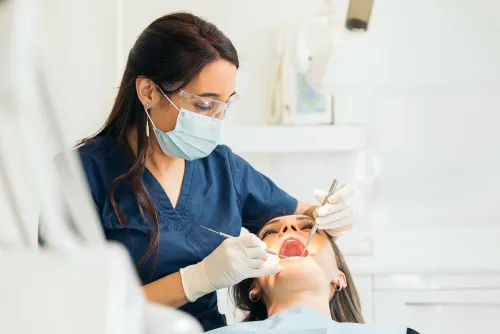
At the first family appointment, each person should receive an individual assessment, not an identical cleaning. The dentist should review medical and dental history, examine teeth, gums, bite, jaw joints, and soft tissues, and explain whether radiographs are justified by age, risk, symptoms, or previous findings. An oral-cancer screening belongs in the soft-tissue examination.
The clinic should give you a written plan separating urgent treatment, prevention, and future reviews.
Ask these questions before accepting treatment:
- Will the clinic establish a dental home for a child by 12 months, using early visits for risk assessment, feeding and hygiene advice, and acclimatization?
- Which children need fluoride varnish or pit-and-fissure sealants? Sealants often protect the deep grooves of permanent molars that toothbrush bristles miss.
- How will staff adapt visits for a child’s age and anxiety? Look for simple explanations, short visits, tell-show-do techniques, and praise rather than pressure.
- If pediatric sedation is proposed, who provides it, what sedation level is planned, and how are pre-sedation assessment, fasting, monitoring, rescue capability, and discharge criteria handled?
Prevention advice should be precise. Children younger than 3 need a rice-grain amount of fluoride toothpaste; children aged 3–6 need a pea-sized amount, with adult supervision to reduce swallowing. A clinic that dismisses fear, rushes children into invasive treatment, or cannot explain sedation safeguards is a poor choice for continuing family care.
Choose a clinic that coordinates treatment and follow-up
A continuing relationship is visible in what happens between appointments. The clinic should keep one treatment record, assign responsibility for the next step, and contact you when review or maintenance is due. A new dentist should not make your family repeat the same history or restart planning.
Ask these questions at Prabhuta Dental Care or any clinic you are assessing:
- Who coordinates care when a child needs orthodontic care, or an adult needs root-canal treatment, dental implants, or dentures?
- Will the referring dentist receive the specialist’s findings and updated treatment plan?
- Who checks healing, bite, gum health, and restoration performance after treatment?
- What recall interval is set for periodontal maintenance and other follow-up care?
| Evidence to look for | Strong coordination | Warning sign |
|---|---|---|
| Shared records | Treatment notes, scans, referrals, and reports stay together | Each specialist keeps a separate file |
| Referral continuity | A named dentist tracks the referral and receives the outcome | You must carry messages between providers |
| Treatment ownership | One clinician explains priorities, alternatives, and the next review | No one can say what happens after the procedure |
| Maintenance plan | Written recalls cover fillings, implants, dentures, gums, and children’s changing needs | Follow-up ends when the bill is paid |
A multispecialty dental clinic is not automatically coordinated. Test it with a complex pathway: ask who will manage periodontal disease before dental implants, or who reviews a child after orthodontic care. Clear handoffs, written milestones, and scheduled follow-up care show a continuing dental home rather than separate procedures.
Related services
Pediatric Dentistry (Children's Dental Care) Pediatric Dentistry (Children's Dental Care) Pediatric Dentistry (Children's Dental Care) Gentle & Caring Dental Care for Children At Prabhuta Dental Care, we provide specialized Pediatric... View service → |
Dental Check-up & Consultation Dental Check-up & Consultation At Prabhuta Dental Care, we provide comprehensive dental check-ups and expert consultations to help maintain your oral health and detect dental... View service → |
Frequently asked questions
What does complete family dental care include?
It connects prevention, diagnosis, restorative and specialist treatment, emergency support, referrals, and follow-up for every family member.
How should you compare family dental clinics?
Compare dentist and specialist expertise, diagnostic equipment, treatment planning, infection control, emergency readiness, billing clarity, and follow-up systems.
What should you check during the first family dental appointment?
Assess how the clinic communicates, examines each family member, explains options, welcomes children, and answers questions about costs and future care.
Why does treatment coordination matter in a family dental clinic?
Coordination keeps records, referrals, treatment decisions, and follow-up connected instead of making your family repeat information at separate clinics.
Related services
Teeth Cleaning (Scaling & Polishing) Teeth Cleaning (Scaling & Polishing) Professional Teeth Cleaning (Scaling & Polishing) At Prabhuta Dental Care, we offer advanced Teeth Cleaning (Scaling & Polishing) treatments to... View service → |
Dentures (Complete & Partial) Dentures (Complete & Partial) Restore Your Smile with Comfortable & Natural-Looking Dentures At Prabhuta Dental Care, we provide high-quality... View service → |
Dental Implants/ full mouth implant Dental Implants/ full mouth implant Dental Implants & Full Mouth Implants Permanent Solution for Missing Teeth At Prabhuta Dental Care, we offer advanced Dental Implant and Full Mouth... View service → |
Clear Aligners / Braces Clear Aligners & Braces Straighten Your Smile with Clear Aligners & Braces At Prabhuta Dental Care, we offer advanced Clear Aligners and Orthodontic... View service → |